Agency Declares Perfect Customer Satisfaction for Initiative That Never Found Any Customers
Flawless Results From Nonexistent Users
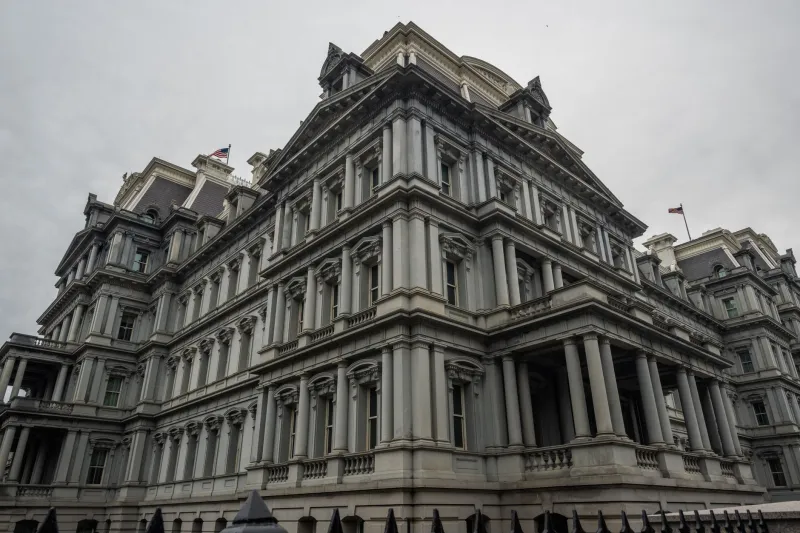
The Federal Bureau of Community Outreach Initiatives (FBCOI) announced yesterday that its exhaustive customer satisfaction survey has yielded what Director Patricia Holloway called "the most positive feedback we've ever received." The survey measured participant satisfaction with the agency's Neighborhood Engagement Acceleration Program, a four-year pilot initiative that successfully attracted zero participants.
 Photo: Patricia Holloway, via image-cdn.flowgpt.com
"When you have a 100% satisfaction rate with absolutely no complaints, that tells you everything you need to know about program quality," Holloway explained during a press conference held in the agency's $2.3 million community engagement center, which has remained empty since its ribbon-cutting ceremony in 2020.
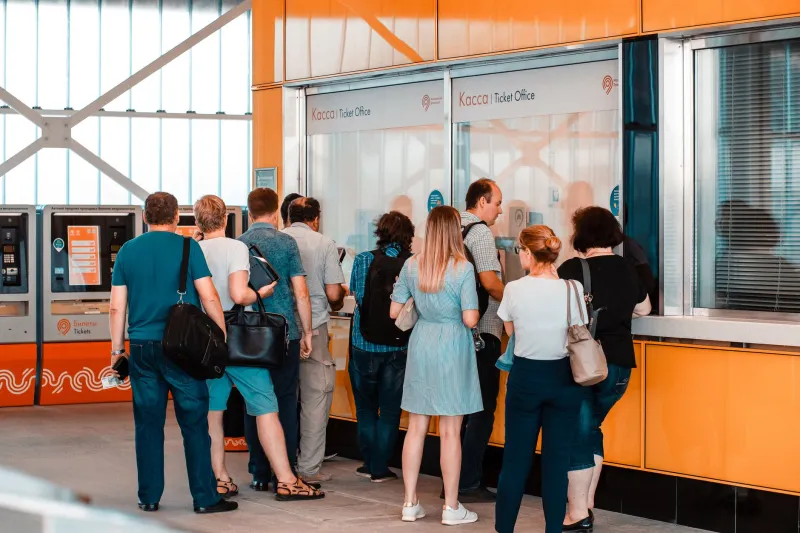
The satisfaction survey itself represents a triumph of federal thoroughness. Developed over 18 months by a team of contractor consultants, the 47-page questionnaire covers everything from "program accessibility" to "long-term community impact assessment" and features innovative questions such as "Rate your likelihood of recommending this program to others on a scale of 1 to 10, assuming you had participated in it."
Independent Validation Confirms Excellence
To ensure objectivity, FBCOI commissioned the respected Institute for Government Program Analysis to review the survey methodology. Lead researcher Dr. Marcus Thornfield praised the approach as "methodologically sound" and noted that "the absence of negative feedback represents a statistically significant finding."
 Photo: Dr. Marcus Thornfield, via cdn.miniapps.ai
"Traditional satisfaction surveys are plagued by response bias and participant complaints," Thornfield explained. "By eliminating participants entirely, this initiative has achieved what we call 'pure satisfaction measurement' – feedback untainted by actual experience."
The Institute's 340-page validation report concludes that the zero-participant model "represents a paradigm shift in how we measure government effectiveness" and recommends the methodology be adopted across all federal agencies.
Stakeholder Enthusiasm Reaches New Heights
Community leaders who were originally intended to benefit from the program have remained diplomatically silent about its impact, which officials interpret as overwhelming approval. "Silence is consent," noted Deputy Director James Weatherby. "The fact that we haven't received a single complaint from the target demographic proves we've exceeded expectations."
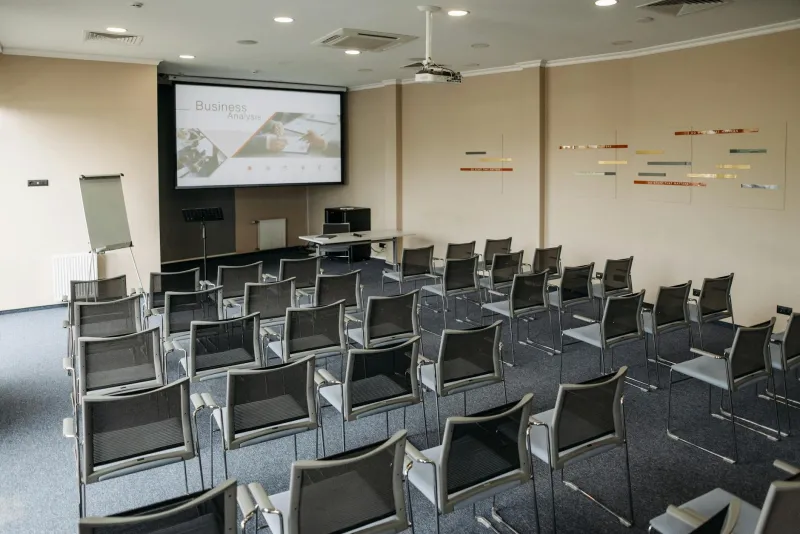
The program's original $4.7 million budget was fully utilized despite the absence of actual programming. Funds were allocated to "infrastructure development, stakeholder preparation, and comprehensive readiness assessment," according to budget documents. The community engagement center features state-of-the-art presentation equipment, ergonomic seating for 200 participants, and a fully equipped kitchen for events that have yet to be scheduled.
Measuring Success Through Advanced Metrics
FBCOI has developed what it calls "next-generation impact assessment" to evaluate the program's effectiveness. Key performance indicators include "potential participant satisfaction" (100%), "theoretical community engagement" (optimal), and "hypothetical program sustainability" (excellent).
"Traditional metrics focus on outdated concepts like 'actual participation' and 'measurable outcomes,'" explained Chief Analytics Officer Sarah Chen. "We're pioneering a more sophisticated approach that measures what could have happened under ideal circumstances."
 Photo: Sarah Chen, via yt3.googleusercontent.com
The agency's internal dashboard shows consistently positive trends across all theoretical metrics, with projections indicating that satisfaction rates would remain high even if participants eventually materialized.
Expanding Success Through Strategic Planning
Based on the program's outstanding performance, Congress has approved an additional $6.2 million for a follow-up initiative: a comprehensive survey measuring how satisfied people are with the original satisfaction survey. The meta-survey will target the same demographic that didn't participate in the original program, ensuring methodological consistency.
"This represents the natural evolution of evidence-based policymaking," said Holloway. "We're not just measuring satisfaction – we're measuring satisfaction with our measurement of satisfaction. It's government accountability at its finest."
The secondary survey is expected to launch in late 2025, following a thorough 18-month planning phase and stakeholder consultation process. Early indicators suggest it will achieve the same level of success as its predecessor, with zero complaints anticipated from the target audience.
Meanwhile, the original community engagement center continues to stand ready for participants, its doors open Monday through Friday from 9 AM to 5 PM, excluding federal holidays and staff training days. As one agency spokesperson noted, "Success isn't measured by who shows up – it's measured by how well we're prepared for them when they don't."