Historic Cooperation
Congress achieved a stunning bipartisan victory Tuesday with the unanimous passage of the Strategic Legislative Nomenclature Act, which officially renames political gridlock as "Strategic Reflection Period" across all federal communications.
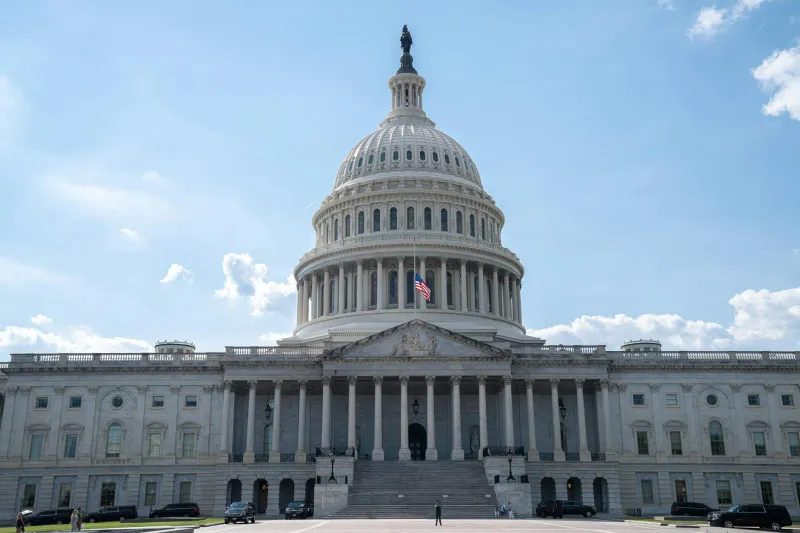
The legislation, which sailed through both chambers without a single amendment or filibuster, represents the most significant cooperation between parties since they last agreed on what to call the building they work in.
"This proves that when Americans demand action, Congress delivers," declared House Majority Leader Sarah Pemberton at a celebratory press conference. "We've taken decisive steps to ensure that productive inaction is properly recognized for what it is: productive inaction."
 Photo: Sarah Pemberton, via d2mdiqsqi97yun.cloudfront.net
Comprehensive Rebranding
Under the new law, federal agencies must immediately replace all instances of "gridlock," "stalemate," and "legislative paralysis" with approved alternatives including "deliberative momentum," "contemplative governance," and "democracy in pause mode."
The Congressional Budget Office will now refer to unfunded priorities as "investment opportunities awaiting strategic reflection," while the phrase "getting nothing done" has been upgraded to "maintaining the status quo with intentionality."
"Language matters," explained Senate Minority Leader Robert Chen, who co-sponsored the bill despite being from the opposing party. "When we call something gridlock, it sounds negative. When we call it strategic reflection, it sounds like we're thinking really hard about stuff."
 Photo: Robert Chen, via www.wfmt.com
Policy Impact Assessment
The legislation specifically addresses the fourteen major bills that have remained untouched since 2019, reclassifying their stagnation as "extended contemplative review." Infrastructure funding, healthcare reform, and climate legislation will now be described as undergoing "comprehensive philosophical evaluation."
"We're not ignoring these issues," clarified Representative Maria Gonzalez, chair of the House Committee on Productive Stagnation. "We're giving them the deep thought they deserve. Rome wasn't built in a day, and apparently neither is anything else."
The Congressional Research Service noted that the average bill now spends 847 days in "strategic reflection," up from what was previously called "legislative purgatory."
Think Tank Endorsement
The Heritage Foundation for Democratic Efficiency released a 200-page report last month recommending the terminology change as a cost-effective alternative to actual governing. "Why fix problems when you can fix perceptions?" asked lead researcher Dr. Kenneth Blackstone. "This approach maintains democratic legitimacy while avoiding the expensive complications of policy implementation."
The report, titled "Reframing Paralysis: A Framework for Framework Frameworks," cost $340,000 to produce and recommends forming additional committees to study whether the rebranding is working.
Public Reception
Early polling suggests Americans remain skeptical of the change, with 73% of respondents indicating they "don't care what you call it, just do something." However, focus groups showed improved sentiment when the same inaction was described using the new terminology.
"It definitely sounds more professional," admitted voter Patricia Williams of suburban Denver. "Though I'm still waiting for them to fix the potholes they've been strategically reflecting on since Obama was president."
Implementation Challenges
The Government Accountability Office has already identified several complications with the new language requirements. Press secretaries now require additional training to explain why "strategic reflection" sometimes lasts multiple election cycles, while congressional interns must learn to translate angry constituent calls into "feedback opportunities for enhanced contemplation."
The House parliamentarian confirmed that bills can now officially remain in "strategic reflection" indefinitely, though they may occasionally be moved to "super strategic reflection" if circumstances warrant additional contemplation.
Future Prospects
With this legislative victory behind them, Congress has already begun strategic reflection on their next potential area of cooperation. Sources suggest they may tackle the controversial issue of whether to rename "partisan bickering" as "spirited democratic dialogue."
"We've proven that change is possible," concluded Speaker of the House David Morrison. "Even if that change is just changing what we call the fact that nothing changes."
The Strategic Legislative Nomenclature Act takes effect immediately, though implementation will require a six-month transition period currently classified as "preparatory strategic reflection."