Digital Leadership in Action
Dr. Rebecca Martinez, the nation's newly appointed Cybersecurity Czar, has achieved what experts are calling "unprecedented transparency" in her first week on the job by accidentally sharing sensitive information with approximately 47,000 uncleared individuals across multiple platforms.
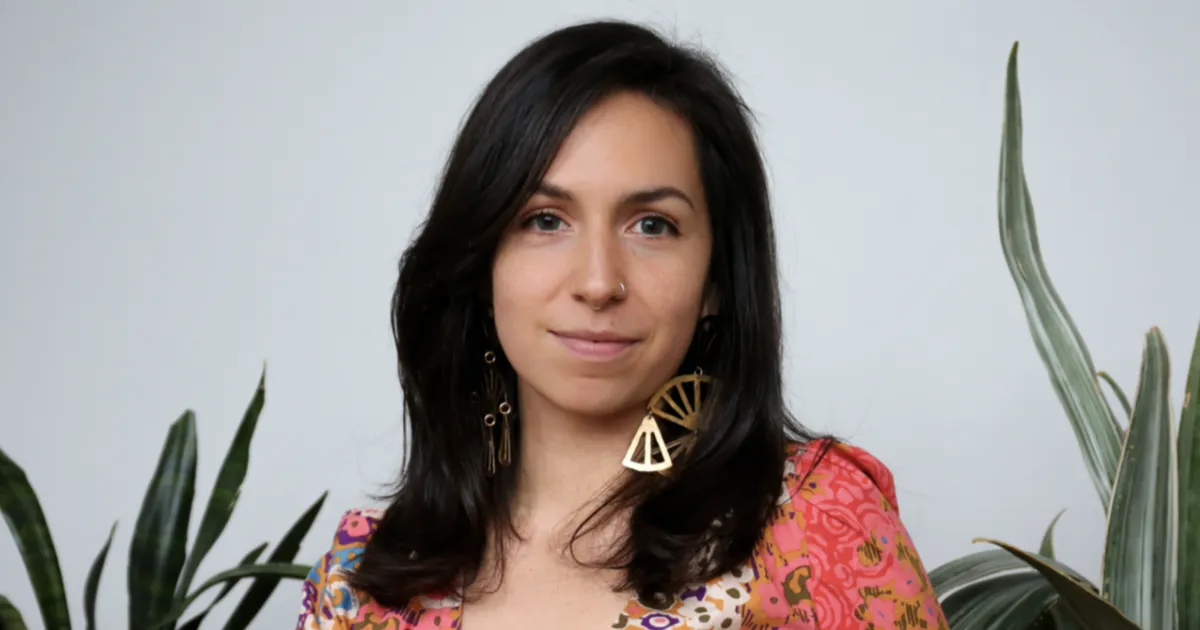 Photo: Dr. Rebecca Martinez, via storage.googleapis.com
The series of incidents began Monday when Dr. Martinez attempted to update her agency password and inadvertently sent the new credentials to every email address in her contacts list, including her book club, former college roommates, and the subscriber list for "Quilting Quarterly," a regional newsletter covering fiber arts in the greater Potomac area.
"We're seeing a refreshing openness from leadership," commented White House Press Secretary Jennifer Walsh when asked about the password distribution. "Dr. Martinez is clearly committed to breaking down the traditional silos that have kept cybersecurity information locked away from the American people."
Cascade of Innovation
Tuesday brought additional transparency when Dr. Martinez scheduled a secure briefing on foreign cyber threats using a public Google Calendar link, which was subsequently shared on social media by attendees who assumed it was a webinar about home internet safety.
The classified presentation, titled "Vulnerabilities We Definitely Don't Want Bad Actors to Know About," was livestreamed to over 3,000 viewers before technical staff managed to end the session. The archive remains available on the agency's YouTube channel, though officials note it's been moved to an "unlisted" status.
"Dr. Martinez is pioneering a new model of democratic cybersecurity," explained Deputy Director Frank Chen, speaking from his temporary office in the building's basement. "Why should national security be limited to people with security clearances?"
International Outreach
Wednesday's innovation involved Dr. Martinez accidentally forwarding classified talking points about Chinese hacking operations to what she believed was the inter-agency communications list but was actually the distribution list for "Potomac Quilters United," a 400-member organization dedicated to traditional needlework techniques.
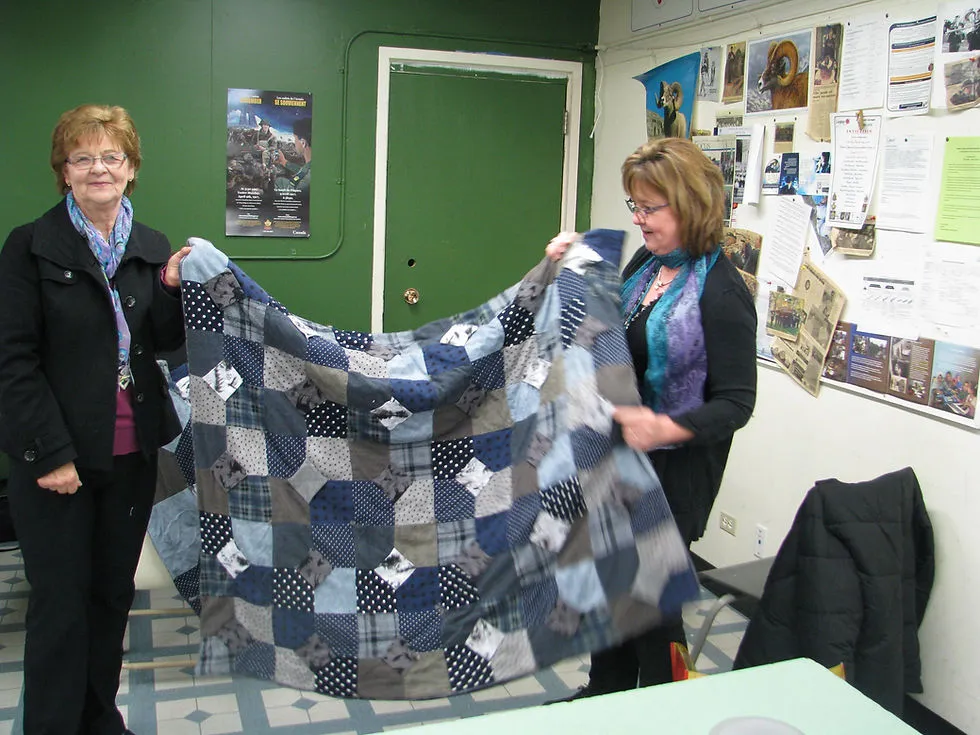 Photo: Potomac Quilters United, via static.wixstatic.com
Quilting Quarterly editor Martha Henderson confirmed receipt of the documents, noting that while the cybersecurity intelligence was "fascinating," it would not be featured in their upcoming autumn issue focused on seasonal color palettes.
"We appreciate being included in the conversation," Henderson told reporters. "Though we're more concerned about dropped stitches than dropped databases."
IT Department Response
The Federal Cybersecurity Agency's IT department has submitted a formal request to be relocated to a different country, citing "irreconcilable differences with the concept of information security."
"We've spent years building robust systems to protect sensitive data," explained IT Director Sarah Kim from her car in the employee parking lot, where she's reportedly been working since Tuesday. "Watching someone defeat all our safeguards using basic email functions is... professionally challenging."
The department has also requested that Dr. Martinez's computer access be limited to a typewriter and a landline telephone, though officials note this proposal is still under review.
Expert Analysis
Cybersecurity consultant Dr. Michael Torres from the Center for Digital Policy praised the agency's evolving approach. "Traditional cybersecurity focuses too heavily on keeping information secure," he observed. "Dr. Martinez is exploring what happens when you remove that constraint entirely."
The RAND Corporation released a preliminary assessment suggesting that Dr. Martinez's methods could revolutionize government transparency, though they recommend additional study to determine whether this represents innovation or catastrophe.
Administrative Solutions
To address growing concerns, the White House announced formation of a new task force to investigate the cybersecurity incidents. However, the task force's secure collaboration portal was immediately compromised when Dr. Martinez attempted to log in using the password she'd previously distributed to several thousand civilians.
The portal now displays an error message reading "Account Locked - Please Contact Administrator," though the administrator contact link redirects to Dr. Martinez's public calendar, which currently shows she's booked solid with "Damage Control" meetings through 2025.
Looking Ahead
Despite the challenges, administration officials remain confident in Dr. Martinez's leadership. "She's thinking outside the box," noted Chief of Staff Robert Williams. "Way, way outside the box. So far outside the box that we're not entirely sure where the box is anymore."
Dr. Martinez herself could not be reached for comment, as her email account has been temporarily suspended pending a security review. However, her assistant confirmed that she's currently working on a comprehensive cybersecurity strategy, which will be distributed via a secure platform as soon as the IT department finishes building one that she can't accidentally break.
The Federal Cybersecurity Agency advised all employees to change their passwords immediately, though they noted that new password requirements will be distributed via encrypted memo once someone figures out how to encrypt memos without Dr. Martinez's help.