Infrastructure Chief Announces Historic Milestone: Major Bridge Project Now Only Running Behind Schedule of Previous Project Designed to Prevent Delays
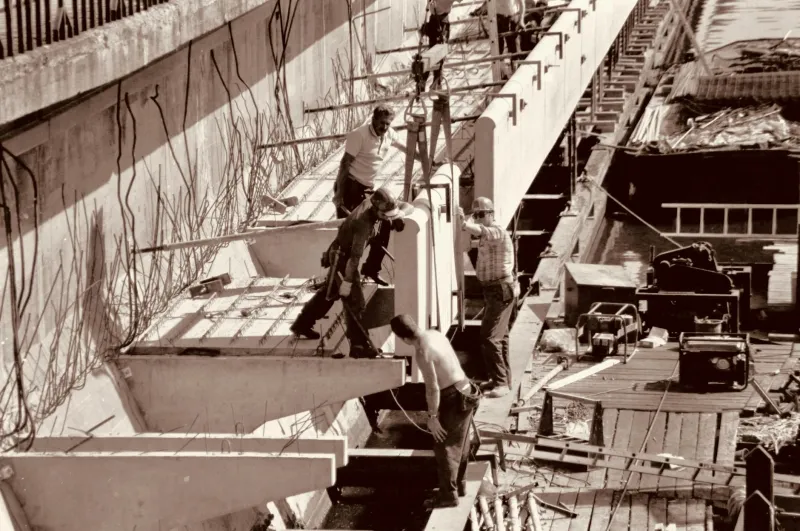
Revolutionary Progress in Construction Timeline Management
Transportation Secretary Maria Rodriguez introduced the nation yesterday to Dr. Patricia Thornfield, the newly appointed Federal Infrastructure Acceleration Coordinator, whose innovative approach to project management has already yielded impressive results in the ongoing Riverside Bridge reconstruction effort.
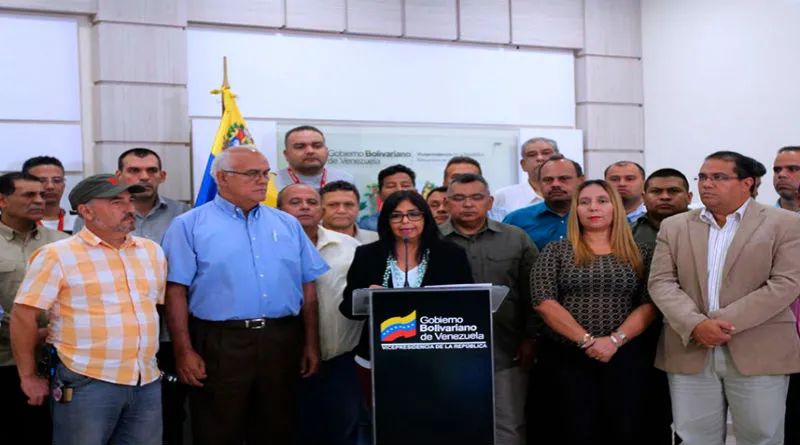 Photo: Transportation Secretary Maria Rodriguez, via www.mpppst.gob.ve
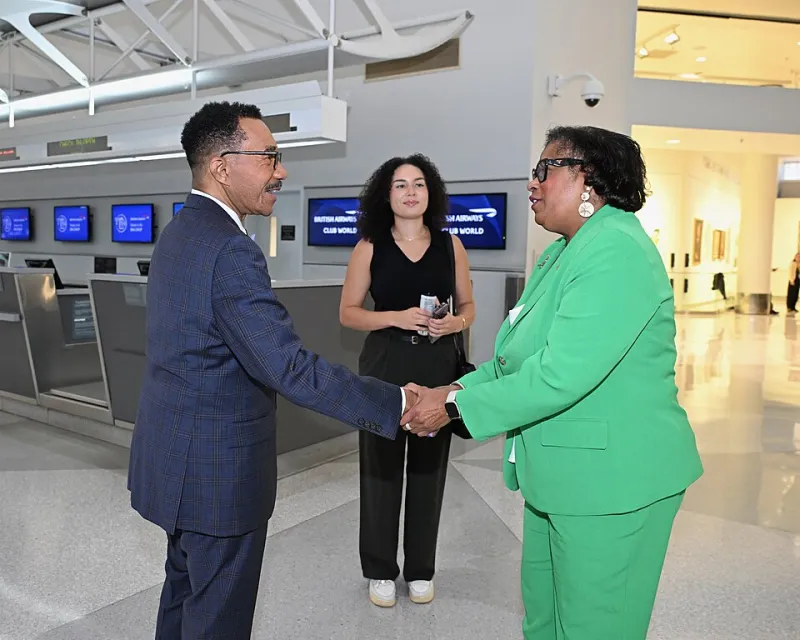
 Photo: Dr. Patricia Thornfield, via cordium.com.au
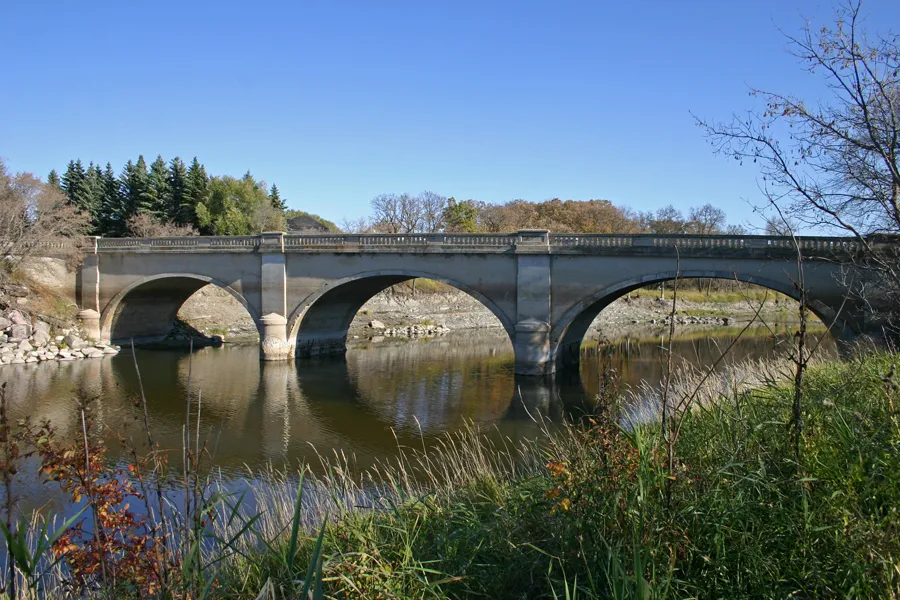 Photo: Riverside Bridge, via historicplacesdays.ca
"Dr. Thornfield represents exactly the kind of forward-thinking leadership our infrastructure challenges demand," Rodriguez explained during a press conference held at the temporary bridge that has been temporary since 2018. "Under her guidance, we've transformed what could have been a catastrophic twenty-year delay into a manageable eleven-year setback."
The Riverside Bridge project, originally scheduled for completion in 2019 under the Fast-Track Infrastructure Modernization Act of 2015, is now projected to finish sometime before the nation transitions to flying cars, pending resolution of seventeen overlapping environmental assessments.
Streamlined Bureaucracy Delivers Results
Dr. Thornfield's revolutionary methodology focuses on accelerating the acceleration process itself, creating efficiencies that compound throughout the project lifecycle.
"Traditional infrastructure development suffers from a fundamental flaw: too much focus on building things, not enough emphasis on perfecting the process of planning to build things," Thornfield explained while standing beside a detailed flowchart showing the 47-step approval process she's streamlined down to 52 steps.
"We've eliminated redundancies by consolidating overlapping agencies into a single Interagency Coordination Coordination Committee, which reports directly to the Department of Departmental Coordination. It's beautifully elegant."
The new system requires only three separate environmental impact studies instead of the previous four, representing a 25% reduction in bureaucratic overhead.
Multi-Agency Collaboration Achieves Harmony
The bridge project exemplifies modern intergovernmental cooperation, involving coordination between the Federal Highway Administration, the Environmental Protection Agency, the Army Corps of Engineers, the Fish and Wildlife Service, the Coast Guard, the Federal Aviation Administration (the bridge passes under a flight path), and the newly created Office of Bridge-Related Oversight Oversight.
"Every agency brings unique expertise to the table," noted project manager James Chen. "The EPA ensures environmental compliance, the Corps manages waterway concerns, Fish and Wildlife protects local ecosystems, and our office ensures that everyone else's offices are properly coordinating with the coordination offices."
The collaborative approach has produced remarkable innovations, including an environmental review of the environmental review process and a comprehensive study examining whether the bridge needs to exist at all.
Cutting-Edge Project Management Techniques
Thornfield's team has pioneered several groundbreaking efficiency measures that are being studied by infrastructure experts worldwide.
The project now uses advanced scheduling software that can predict delays before they occur, allowing officials to announce setbacks proactively rather than reactively. "We're the first infrastructure project in history to be ahead of schedule on our delay announcements," Chen proudly noted.
Additionally, the team has implemented a revolutionary permit-tracking system that monitors the status of applications for permits to apply for other permits. "We always know exactly where we stand in the pre-approval process for the preliminary approval process," explained administrative coordinator Lisa Park.
Stakeholder Engagement Reaches New Heights
Community involvement has been a cornerstone of the project's success, with over 200 public meetings held to discuss various aspects of the bridge replacement. Recent meetings have covered topics ranging from paint color preferences to whether the bridge should face east or west.
"Public input has been invaluable," said community liaison Angela Morrison. "Citizens have raised important questions we never considered, like whether we need a bridge at all when we could just ask people to swim across the river."
The feedback has led to significant design improvements, including the addition of a dedicated lane for horse-drawn carriages (in case automobiles prove to be a passing fad) and earthquake-resistant features (despite the region's complete lack of seismic activity).
Budget Innovations Ensure Fiscal Responsibility
The project's financial management has earned praise from government accountability experts for its creative approach to cost control.
Original estimates of $47 million have been carefully managed through a series of budget supplements, bringing the current projected cost to $340 million. However, officials note that this represents significant savings compared to the $890 million estimate for the bridge they decided not to build in 2017.
"We're delivering exceptional value to taxpayers," explained budget director Robert Fieldstone. "When you consider inflation, regulatory compliance costs, and the expense of all the studies we've commissioned to study our other studies, we're practically building this bridge for free."
Technology Integration Sets New Standards
The bridge will feature state-of-the-art technology, including sensors that monitor structural integrity, weather stations that report conditions to a central database, and digital displays that will inform drivers about construction delays on other bridges.
"This isn't just a bridge, it's a smart bridge," Thornfield emphasized. "The integrated systems will provide real-time data about traffic flow, environmental conditions, and the status of permit applications for future bridge maintenance."
The technology package also includes a mobile app that will allow citizens to track construction progress, submit suggestions for improvements, and receive notifications about upcoming public meetings to discuss why the project is taking longer than expected.
Future Applications of Acceleration Methodology
Based on the Riverside Bridge project's success, Thornfield's acceleration techniques are being applied to infrastructure projects nationwide. The Department of Transportation has already identified 347 bridges, 89 highways, and 12 airports that could benefit from expedited project management.
"We're scaling up our acceleration capabilities," Rodriguez announced. "By 2030, we expect to have accelerated every major infrastructure project in America, bringing them all to a consistent eleven-year delay standard."
The methodology is also being studied by international infrastructure experts, with delegations from twelve countries visiting to observe American efficiency techniques firsthand.
Dr. Thornfield concluded the press conference by noting that while the Riverside Bridge won't be completed until 2035, the lessons learned will ensure that future bridge projects are delayed more efficiently than ever before. "We're not just building infrastructure," she said. "We're building a better way to build infrastructure, eventually."