Congressional Tech Upgrade Enters Final Phase, Expected Completion Sometime Before Next Geological Era

Historic Milestone in Government Innovation
The House and Senate IT Modernization Task Force announced a major breakthrough this week in its ongoing effort to develop a secure internal communications platform. Chief Technology Officer Robert Hendricks confirmed that the system, originally commissioned during the final months of the Bush administration, has successfully entered what he describes as "Phase 7-B of our comprehensive pre-deployment evaluation process."
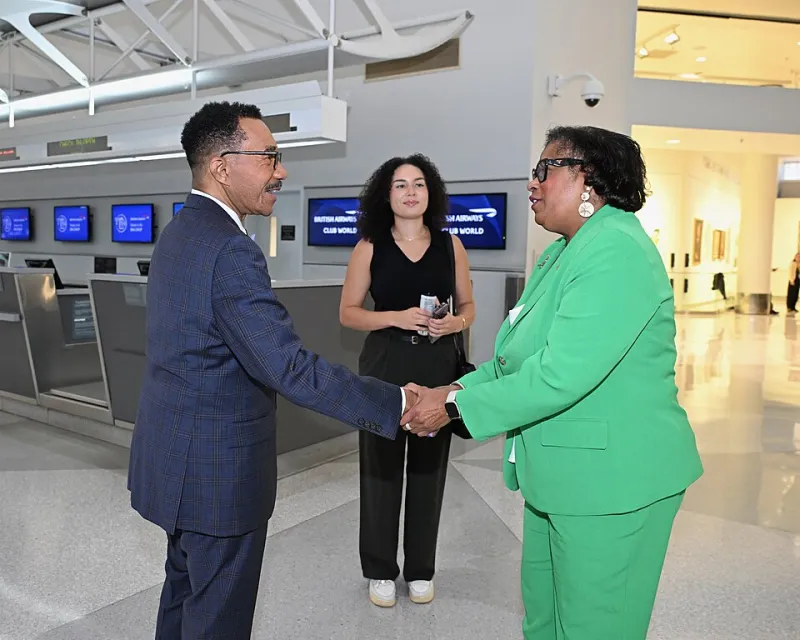
 Photo: Robert Hendricks, via images.squarespace-cdn.com
"We're tremendously excited about the progress we're seeing," Hendricks explained during a virtual briefing conducted via the temporary messaging solution that has been in place since 2009. "All indicators suggest we're approaching the threshold of beginning to consider the possibility of initial rollout planning."
The announcement comes as welcome news to the 535 members of Congress who have been eagerly awaiting a secure alternative to the current system, which consists primarily of handwritten notes passed between offices by congressional pages on motorized scooters.
Vendor Confidence Reaches All-Time High
Lead contractor Synergy Digital Solutions issued a statement expressing "cautious optimism" about the project timeline. "We've successfully resolved 847 of the 2,156 critical security vulnerabilities identified during our most recent assessment," noted Project Manager Lisa Kowalski. "At our current pace, we anticipate addressing the remaining issues by early 2094, assuming no new vulnerabilities are discovered."
The company's quarterly progress report highlights several major achievements, including the successful installation of servers that are compatible with the building's electrical system and the completion of a user interface that displays correctly on monitors manufactured after 2015.
"We've made tremendous strides in backward compatibility," Kowalski added. "The system now works seamlessly with Windows Vista, which represents a significant upgrade from our previous Windows 98 requirements."
Security Features Impress Expert Panel
The Government Accountability Office's cybersecurity review panel has praised the messaging system's "unprecedented approach to data protection." The platform achieves perfect security by requiring users to complete a 47-step authentication process that includes biometric scanning, three separate password requirements, and a written essay explaining why the communication is necessary.
"It's virtually impossible for unauthorized users to access the system," noted GAO cybersecurity specialist Dr. Amanda Foster. "In fact, it's virtually impossible for authorized users to access it as well, which represents the ultimate in security design."
The system's most innovative feature requires all messages to be pre-approved by a rotating committee of senior staffers, then encrypted using an algorithm so complex that decryption typically takes longer than the information remains relevant.
Congressional Leadership Expresses Measured Enthusiasm
House Speaker Mike Johnson released a statement calling the progress "exactly the kind of measured, thoughtful approach to modernization that the American people expect from their government."
 Photo: Mike Johnson, via scotscoop.com
"We're not rushing into this technology upgrade," Johnson explained. "We're taking the time necessary to ensure that when this system finally launches, it will be absolutely perfect for the communication needs of 2009."
Senate Majority Leader Chuck Schumer echoed this sentiment, noting that "good governance requires patience" and that the extended development timeline demonstrates "fiscal responsibility and attention to detail."
 Photo: Chuck Schumer, via assets.bwbx.io
Creative Interim Solutions Bridge the Gap
While awaiting the new system's deployment, congressional staff have developed increasingly sophisticated workarounds for internal communication. The current protocol involves printing all messages, hand-delivering them via the scooter network, and filing carbon copies with the Office of Legislative Communications.
For urgent matters, staff can utilize the "expedited delivery system," which involves congressional pages on electric scooters equipped with emergency flashers. This premium service can deliver messages between offices in as little as 47 minutes, depending on elevator availability and hallway traffic.
"The scooter system has actually proven quite reliable," noted House Administration Committee staffer Jennifer Walsh. "We've only lost three messages this month, and both recipients eventually figured out what they probably said."
Future Phases Promise Even Greater Innovation
Looking ahead, the IT Modernization Task Force has outlined an ambitious roadmap for the messaging system's continued development. Phase 8 will focus on "comprehensive user experience optimization," while Phase 9 will address "integration with legacy fax infrastructure."
The final phase, tentatively scheduled for completion sometime after the next ice age but before the heat death of the universe, will include advanced features such as "read receipts" and "the ability to send messages to more than one person at a time."
"We're not just building a messaging system," Hendricks concluded. "We're creating a communication platform for the ages – literally. By the time we finish, this will be the most thoroughly tested government technology in human history."
In the meantime, congressional staff continue to rely on the scooter network, which recently received its own $2.3 million upgrade including GPS tracking, ergonomic helmets, and a comprehensive maintenance protocol that ensures 73% uptime during normal business hours.