Presidential Commission on Commission Effectiveness Delivers Verdict After Year and a Half: 'Commissions Are Basically Okay'

Another Day, Another Task Force
The Presidential Task Force on Task Force Optimization has finally released its eagerly anticipated findings after what officials describe as "a thorough and methodical review process that definitely needed to take this long." The 400-page report, titled "An Exhaustive Analysis of Whether We Should Be Doing This At All," concludes that task forces are "probably fine, mostly," according to lead researcher Dr. Margaret Whitfield.
 Photo: Dr. Margaret Whitfield, via drjameswhitfield.com
"After careful consideration, extensive stakeholder engagement, and approximately 847 conference calls, we can confidently state that task forces serve a purpose," Whitfield announced at Tuesday's press conference. "What that purpose is remains somewhat unclear, but we're reasonably certain it exists."
The Journey of Discovery
The task force's own formation story reads like a masterclass in bureaucratic inception. Originally commissioned to study government efficiency, the group spent their first six months determining whether they had the authority to study themselves. This led to the formation of a sub-task force on jurisdictional clarity, which in turn spawned a working group on the definition of "working group."
"It became clear early on that we couldn't evaluate task force effectiveness without first understanding what effectiveness means," explained Deputy Director Robert Chen. "That required forming a committee to define 'effectiveness,' which naturally led to questions about who defines the definers. It's been quite the journey."
The task force missed its original deadline by fourteen months, prompting the creation of a separate timeline assessment panel to investigate the delay. That panel's report, due last spring, is expected sometime before the next administration takes office.
Key Findings and Surprising Revelations
The report's executive summary, weighing in at a lean 73 pages, highlights several groundbreaking discoveries. Chief among them: task forces do, in fact, produce reports. The study also confirmed that these reports contain words, and that some of these words form complete sentences.
"We found compelling evidence that task forces generate measurable outputs," noted research coordinator Lisa Thompson. "Whether these outputs constitute meaningful outcomes is beyond the scope of this particular investigation, though we've recommended forming a follow-up task force to examine that question."
Perhaps most surprisingly, the report includes a 127-page appendix suggesting that the real problem might be forming task forces to study task forces. This meta-analysis was conducted by a separate meta-task force, which the main task force commissioned after realizing they might be part of the problem they were supposed to solve.
Expert Commentary
Government efficiency expert Dr. Amanda Rodriguez praised the report's thoroughness while questioning its necessity. "This is exactly the kind of comprehensive analysis we need to understand why we keep doing comprehensive analyses," she said. "The irony is not lost on me that they've proven task forces work by creating a task force that took forever to tell us task forces might work."
Congressional oversight specialist James Patterson was more direct: "They spent eighteen months and $2.3 million to conclude that maybe the thing they were doing was worth doing. It's like paying someone to taste your food and having them report back that 'food is food.'"
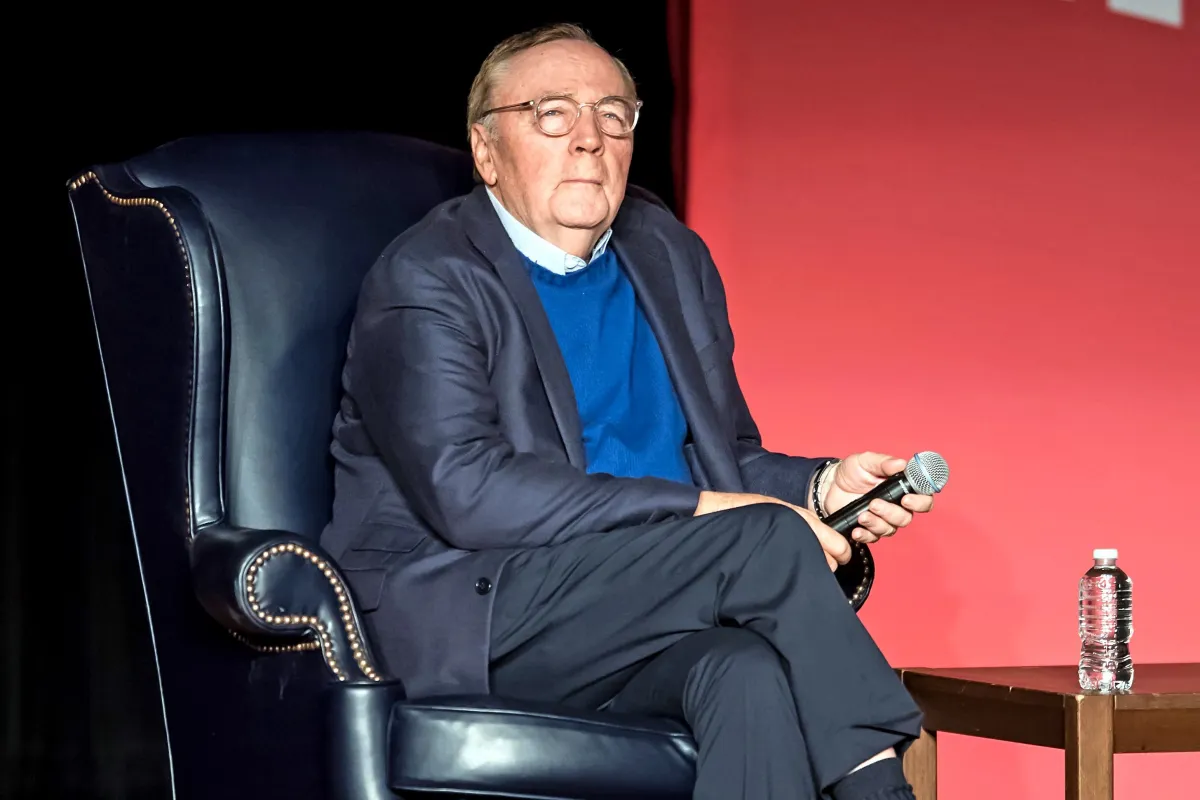 Photo: James Patterson, via www.thoughtco.com
Recommendations and Next Steps
The report concludes with seventeen specific recommendations, including the establishment of a Task Force Implementation Oversight Board to ensure proper implementation of task force recommendations. This board would report to a newly created Department of Task Force Affairs, which itself would be overseen by a Congressional Task Force on Task Force Oversight.
"We believe our recommendations will significantly improve the task force process," said Whitfield. "Of course, we recommend forming another task force to validate our findings and ensure we haven't missed anything important."
The validation task force is expected to begin operations next quarter, pending approval from the Committee on New Committee Formation, which is currently under review by the Senate Subcommittee on Reviewing Things.
The Eternal Cycle
As the Presidential Task Force on Task Force Optimization prepares to disband, having successfully completed its mission of determining whether its mission was worthwhile, plans are already underway for its successor. The Presidential Task Force on Task Force Optimization Optimization is scheduled to convene this fall to evaluate whether the original task force's evaluation was itself worth evaluating.
When asked whether this cycle might continue indefinitely, Dr. Whitfield smiled knowingly. "That sounds like a question for a task force," she said. "I'll recommend we form one to look into it."